Multi-Car Insurance — Wisconsin

A Wisconsin multi-car policy covers two or more vehicles on one policy, each carrying at least the state's 25/50/10 liability minimum plus uninsured motorist coverage, and combining them earns the multi-car discount. Every vehicle can carry its own coverage level—liability only or full coverage—while the whole policy shares the discount.

Compare Wisconsin Auto Insurance

Non-Standard Auto · SR-22 · Senior · Teen Drivers

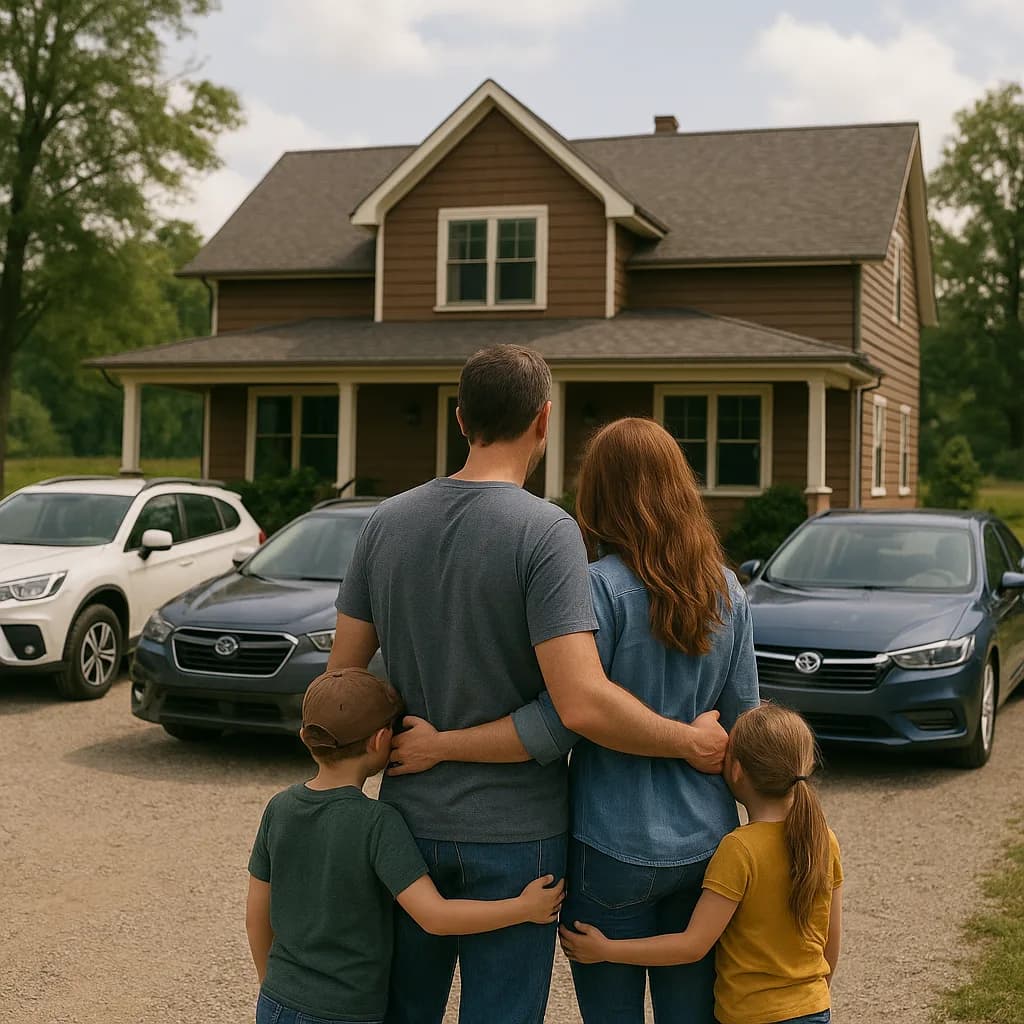
Family of four viewing their new home from driveway with cars parked in front of brown two-story house
Quotes from state-licensed insurance professionals
Licensed Agents Only
Free to request, no commitment required
No Obligation
No cost to you
Free to Use
Your contact information is protected
TCPA-Compliant
Updated July 2026

Multi-Car Liability Requirements in Wisconsin

Wisconsin requires every vehicle on a multi-car policy to carry at least $25,000 bodily injury per person, $50,000 bodily injury per accident, and $10,000 property damage, plus uninsured motorist coverage. The state operates under a fault system, meaning the at-fault driver's liability coverage pays for the other party's damages. The multi-car discount typically requires all vehicles on the same policy and the same garaging address—how you title and garage the vehicles determines whether you qualify.

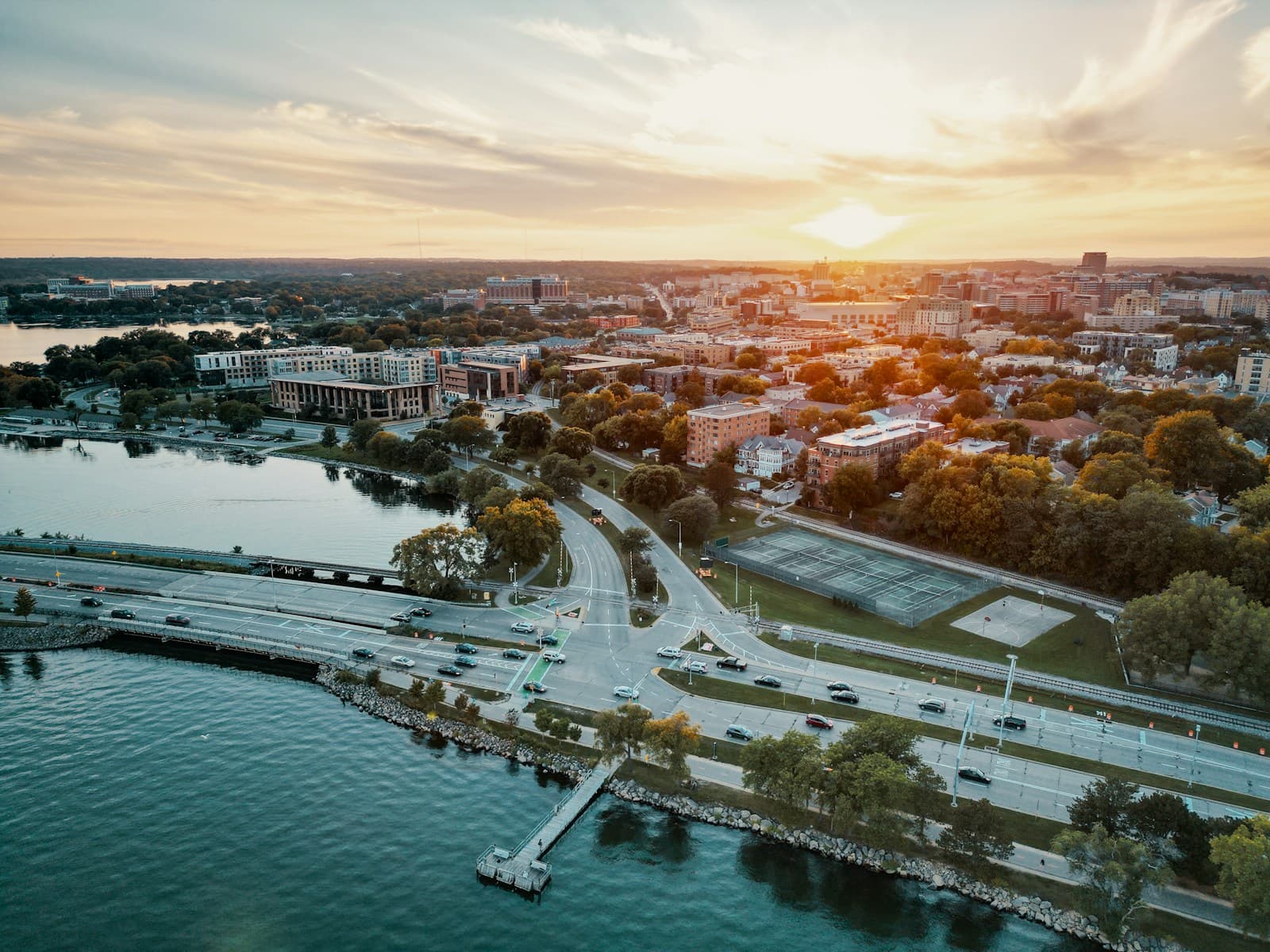
Wisconsin cityscape and street view
25/50 minimum per vehicle
Bodily Injury Liability
Every vehicle on your Wisconsin multi-car policy must carry at least $25,000 per person and $50,000 per accident for bodily injury liability. This is the floor—you can raise limits on individual vehicles without changing the others. State Farm, Geico, and Progressive all write multi-car policies in Wisconsin and allow different liability limits per vehicle on the same policy.
$10,000 minimum per vehicle
Property Damage Liability
Each vehicle must carry at least $10,000 property damage liability. If you add a third or fourth vehicle mid-term, the new vehicle picks up the same liability floor and the policy re-rates to include the new vehicle's premium and the multi-car discount. Adding a vehicle doesn't add a flat amount—it recalculates the whole policy.
Required by state
Uninsured Motorist Coverage
Wisconsin requires uninsured motorist coverage on every vehicle. With 15.6% of Wisconsin motorists uninsured, this coverage pays your medical bills and vehicle damage when the at-fault driver has no insurance. On a multi-car policy, each vehicle carries its own UM coverage at the same limits as your bodily injury liability unless you request different limits.
Same policy, same address
Multi-Car Discount Eligibility
The multi-car discount requires every vehicle on the same policy and typically the same garaging address. If you marry or combine households, both sets of vehicles must share a garaging address to earn the discount. Allstate, American Family, Farmers, Geico, National General, Progressive, and The General all offer multi-car discounts in Wisconsin—compare how each structures the discount before combining policies.
Optional, per vehicle
Full Coverage Per Vehicle
Full coverage—liability plus collision and comprehensive—is optional and can differ per vehicle. You can carry full coverage on a financed 2023 sedan and liability-only on a paid-off 2008 truck, both on the same Wisconsin multi-car policy. Each vehicle with collision or comprehensive has its own deductible, chosen when you add that vehicle's physical damage coverage.
State-Mandated Minimum Coverage · Wisconsin

Wisconsin Minimum Coverage

CoverageMinimum
Bodily Injury (per person)$25,000
Bodily Injury (per accident)$50,000
Property Damage$10,000

License Reinstatement Fee$60

Meeting the state minimum keeps you legal. See whether it's enough — get your Wisconsin quote.

Get your Wisconsin quote

What Shapes Multi-Car Costs in Wisconsin

Multi-car cost in Wisconsin depends on the vehicles you insure, the drivers on the policy, the coverage level you select per vehicle, and the multi-car discount the carrier applies. Adding a vehicle mid-term re-rates the entire policy rather than adding a flat amount, and combining two households onto one policy changes both the base premium and the discount structure.

What Affects Your Rate

  • Each vehicle's year, make, model, and use—commute distance, annual mileage, and whether the vehicle is financed—shapes its individual premium before the multi-car discount applies.
  • Every driver's age, driving record, and years licensed affect the policy premium. Wisconsin's average annual expenditure per insured vehicle is $1,062.98, below the national average.
  • The multi-car discount requires all vehicles on the same policy and typically the same garaging address. If a household member titles a vehicle at a different address, some carriers exclude that vehicle from the discount.
  • Wisconsin's 15.6% uninsured motorist rate and 0.87 traffic fatalities per 100 million vehicle miles traveled both factor into base rates for liability and uninsured motorist coverage.
  • Collision and comprehensive coverage can differ per vehicle. A financed vehicle typically requires full coverage; a paid-off older vehicle can drop to liability-only while staying on the same multi-car policy.
  • Carriers writing in Wisconsin structure the multi-car discount differently. Allstate, American Family, Farmers, Geico, National General, Progressive, and The General all offer multi-car discounts—compare how each calculates the discount for your household size.
Two Vehicles, One Policy
25/50/10 floor
Insuring two vehicles on one Wisconsin policy at the state minimum earns the multi-car discount. Each vehicle can carry its own coverage level—one at liability-only, one at full coverage—and the discount applies to the whole policy.
Adding a Vehicle Mid-Term
Re-rates policy
Adding a third or fourth vehicle mid-term doesn't add a flat amount. The carrier re-rates the entire policy to include the new vehicle's premium and recalculates the multi-car discount across all vehicles.
Combining Two Households
Same address
When you marry or combine households in Wisconsin, merging both sets of vehicles onto one policy earns the multi-car discount only if all vehicles share the same garaging address. Compare carriers before merging—some give a larger discount for three or more vehicles.

Compare car insurance rates in your state

Get quotes from licensed carriers — no obligation, no spam, results in minutes.

Get Your Free Quote
No Obligation Required Licensed Carriers Only Available Nationwide Free to Compare

Coverage Types

Multi-Car Policy Structure

A multi-car policy puts two or more owned vehicles on one policy, each carrying its own coverage level, and the whole policy earns the multi-car discount. Each vehicle must carry at least Wisconsin's 25/50/10 liability minimum plus uninsured motorist coverage.

Liability Coverage Per Vehicle

Every vehicle on a Wisconsin multi-car policy must carry at least 25/50/10 liability. You can raise limits on individual vehicles without changing the others—one vehicle at 100/300/100, another at the state minimum, both on the same policy.

Uninsured Motorist Coverage

Wisconsin requires uninsured motorist coverage on every vehicle. This coverage pays your medical bills and vehicle damage when the at-fault driver has no insurance, and it's especially important in Wisconsin where 15.6% of motorists are uninsured.

Full Coverage on Select Vehicles

Full coverage—liability plus collision and comprehensive—is optional and can differ per vehicle on a Wisconsin multi-car policy. Financed vehicles typically require full coverage; paid-off older vehicles can drop to liability-only while staying on the same policy.

Adding a Vehicle Mid-Term

Adding a third or fourth vehicle mid-term doesn't add a flat amount to your Wisconsin multi-car policy. The carrier re-rates the entire policy to include the new vehicle's premium and recalculates the multi-car discount across all vehicles, effective the date you add the vehicle.

Combining Household Policies

When you marry or combine households in Wisconsin, merging both sets of vehicles onto one policy earns the multi-car discount only if all vehicles share the same garaging address. If one spouse titles a vehicle at a different address, some carriers exclude that vehicle from the discount.

Find Your City in Wisconsin

Milwaukee, Wisconsin cityscape and street view

Milwaukee

urban
Madison, Wisconsin cityscape and street view

Madison

urban
Green Bay, Wisconsin cityscape and street view

Green Bay

suburban
Kenosha, Wisconsin cityscape and street view

Kenosha

suburban
Empty metal sign frame in golden field with suburban houses in background under cloudy sky

Racine

urban
Urban alley with glass pedestrian bridge connecting buildings overhead, surrounded by brick and concrete architecture

Appleton

urban
Rural countryside landscape with green fields, blue sky with white clouds, and a lone tree in the distance

Waukesha

suburban
Sunset over a flowing river with rocky terrain and trees silhouetted against a dramatic cloudy sky

Eau Claire

urban

Frequently Asked Questions

Get Your Free Quote in Wisconsin